

Published in Agency life, Creativity, Ideas
Insight by Emily Johnson
In a year dominated by conversations and developments in digital technology and AI visuals, something powerful has occurred in the design world: some of the most celebrated book cover designs were unmistakably human.
As an avid reader and designer, I always keep an eye out for the Penguin Book Cover Design Awards. The competition invites emerging creatives to reimagine classic titles in adult and children’s fiction. Designed to showcase upcoming talent and provide mentorship and a platform of artists to launch into the world of design and illustration. It is a true celebration of design, bold ideas, and literature.
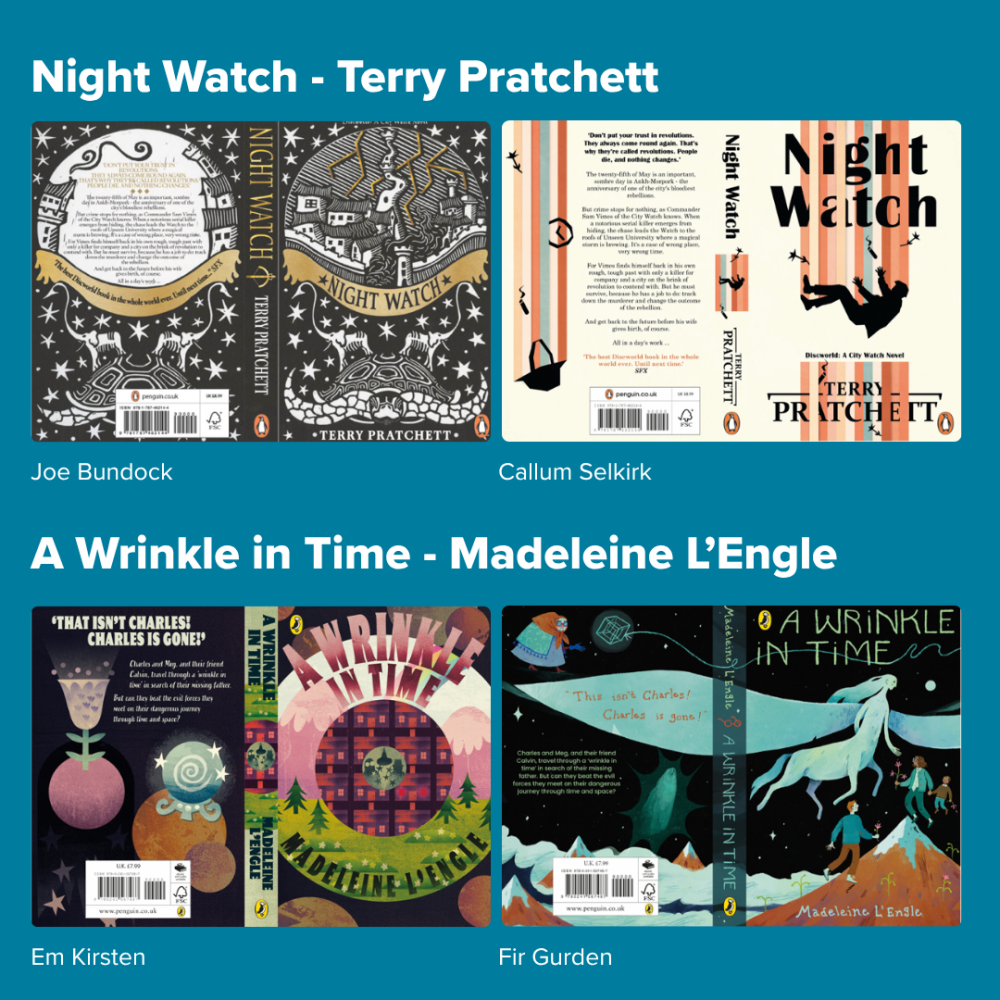
Looking at the 2026 winners and shortlisted entries, what really stood out to me was the reminder that despite the ever-changing landscape of technology and design, there is still a clear desire to create, and a strong pull towards analogue media and a human-crafted look and feel. Many artists have leaned into traditional approaches, from lino cutting to layered paper-cut visuals, and thoughtfully intertwined digital techniques where needed. With design increasingly shaped by AI and digital processes, it is refreshing to see the artists use textures, and craft skills within in their designs. Below are a few of my favourite designs from the competition:
In a recent article for Spine Magazine, ‘Book Cover Design Trends in 2025 & Predictions for 2026’ by Linnea Gradin, it is noted that over the past year we have seen trends such as the use of real artworks with bold, colourful typography, providing a juxtaposition of modern aesthetics dissecting traditional media to create powerful, emotive covers. Gradin predicts that 2026 will continue in this direction, with a push against AI covers, and a rise in more visible brush strokes, imperfect lettering and texture, with an overall emphasis on durable, bold craftsmanship. These themes and trends are evident in the Penguin Awards shortlists and winners’ outcomes, showing how strongly designers are leaning back into work shaped by craft and individuality.
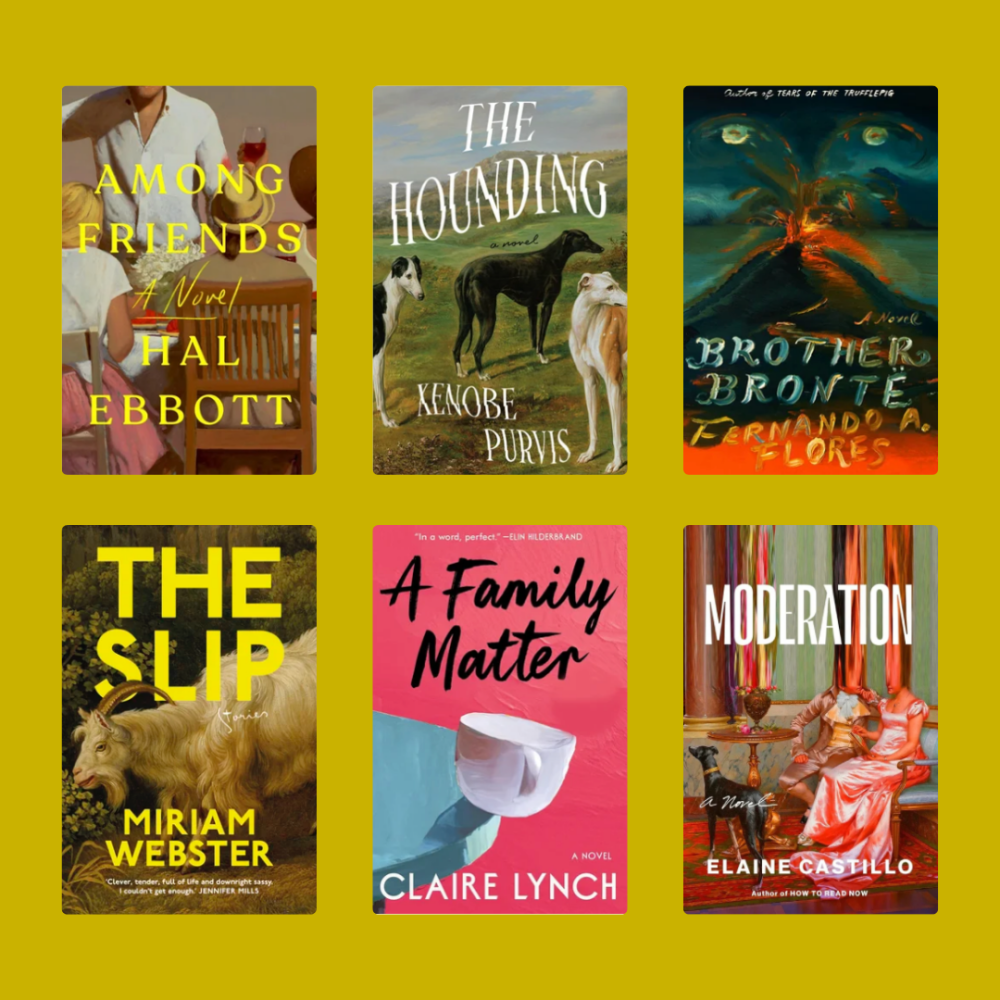
The relationship between handcrafted and digital, has worked in tandem and brought a warmth to this year’s competition designs. Fusion between the two allows the personality and imperfections of the human touch to sit alongside the precision of digital tools. For me, this blend hits a creative sweet spot where artists can bring their character and style to the artworks, introducing intention, emotion and storytelling; qualities that digital programs or processes can never originate. With the rise of AI driven trends and aesthetics, a human touch is essential for anchoring the visuals into something personal and opens space for different ideas, routes and approaches to emerge.
Looking ahead, the entries for The Penguin Awards demonstrate that in this digital world, the artworks created serve as a powerful reminder that human touch in design continues to resonate. Readers and designers alike are craving something more human and tactile. The covers become part of the storytelling and creative identity, underscoring that no matter how digital our world becomes, human touch in design still matters.
RECENT NEWS
 Award-winning work!
Award-winning work!
 Design for all: Keeping accessibility in mind.
Design for all: Keeping accessibility in mind.
 3 Trends Shaping the Creative World in 2026